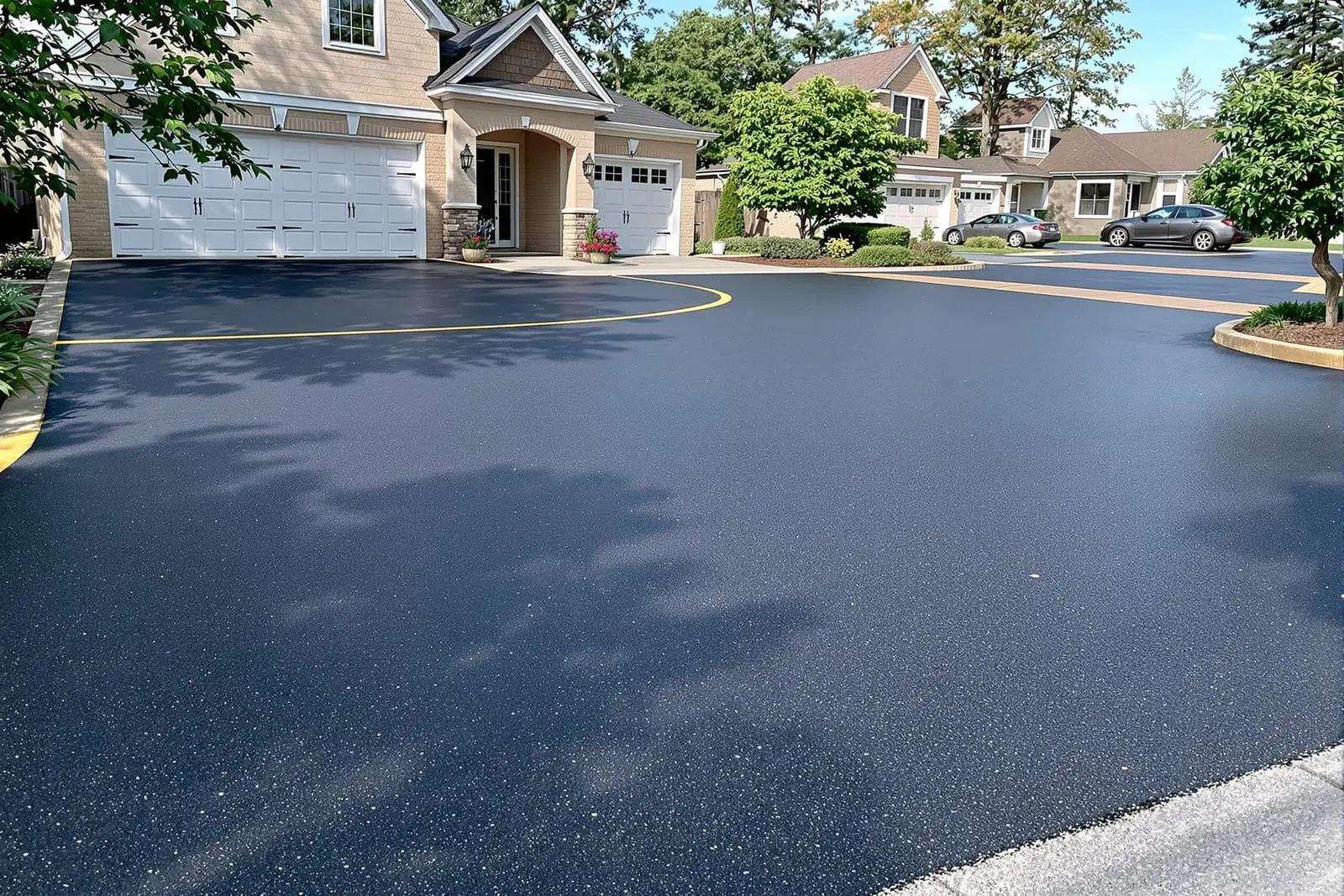
Renew tired pavement with commercial asphalt resurfacing in New Orleans, LA. We install overlays on shopping centers, office lots, and drive lanes where the base is still sound but the surface has aged. Our team handles milling high spots, adjusting drainage, and paving a uniform asphalt overlay to restore a clean, professional driving and parking surface.
Prestige Asphalt New Orleans provides professional commercial asphalt resurfacing throughout New Orleans, LA and the surrounding area. Our licensed, insured crew delivers safe, clean, on-time work with a free estimate before anything begins. Call (504) 386-5171 or request your free quote.
Commercial Asphalt Resurfacing for New Orleans Properties
If your parking lot or private roadway is starting to crack, ravel, or hold water but the base still feels solid, commercial asphalt resurfacing is often the smartest way to bring it back to life without paying for a full tear out. Prestige Asphalt New Orleans focuses on resurfacing and overlay work for office parks, shopping centers, industrial yards, medical campuses, churches, and multifamily properties across the metro area.
In New Orleans, the mix of heat, frequent rain, and soft soils is tough on pavement. We see a lot of surfaces that look terrible on top but still have a strong base underneath. In those cases, a commercial asphalt overlay lets us mill or level the existing pavement and install a new asphalt layer over it. You get a fresh black surface, better drainage, and a smoother drive, usually at a fraction of full replacement cost.
Every resurfacing project starts with a site walk. We are looking for signs that resurfacing is appropriate, like cracks that are mostly under a half inch wide, isolated potholes instead of large failing areas, and no major waves or deep depressions that suggest base failure. If we push a loaded dump truck across your lot and the surface flexes, that is a clue that the foundation needs more than an overlay. We will explain those findings on site so you can see why we recommend resurfacing, base repair, or full reconstruction.
How Commercial Asphalt Resurfacing & Overlays Actually Work
Commercial asphalt resurfacing is more than just laying new blacktop over old. Prestige Asphalt New Orleans follows a repeatable field-tested process that holds up to New Orleans traffic and weather.
We begin with prep and cleaning. That means power brooming, high pressure air cleaning, and, if needed, washing areas contaminated with oil or fuel. Oil soaked spots are primed or cut out entirely, since new asphalt will not bond well to them.
Next comes milling or leveling. If you have curb and gutter, handicap ramps, or connected sidewalks, we use a milling machine to grind down the existing asphalt along those edges. This keeps your new overlay from sitting too high, which would create trip hazards and drainage issues. In depressions or birdbaths that hold water, we install leveling courses using fine graded asphalt so the final surface has the slope it needs to drain.
Once the surface is clean and shaped, we apply a tack coat, which is a thin spray of asphalt emulsion. It acts like glue between the old pavement and the new overlay. Skipping this step or applying it unevenly is one of the most common reasons overlays fail early, so we are careful about coverage and cure time.
Then we install the new asphalt layer. For most commercial asphalt resurfacing jobs in New Orleans, we use a hot mix with a medium aggregate size that balances smoothness with durability. Thickness typically ranges from 1.5 to 2.5 inches for parking lots, and heavier traffic lanes or truck routes may get thicker lifts or multiple passes. We place the mix with a paver for consistent thickness, and compact it with vibratory and static rollers using a rolling pattern suited to the weather and project size.
Finally, we finish with striping and markings once the surface cools. That includes layout for parking spaces, ADA compliant accessible stalls, directional arrows, stop bars, and fire lane markings. If you need traffic control signs or wheel stops reset, we can handle those as part of the same project.
Local Issues That Shape Your Overlay Design
Resurfacing in New Orleans has some quirks that property owners should know about before hiring a paving contractor. The combination of frequent thunderstorms, high groundwater, and older drainage infrastructure means that standing water is your asphalt's enemy. A big part of commercial asphalt resurfacing is improving cross slope and flow paths so water leaves the surface quickly.
On many older lots around New Orleans, especially in Gentilly, Mid City, and parts of the Westbank, we find low areas where the ground has settled around catch basins. For overlays, Prestige Asphalt New Orleans laser checks those areas, then builds them back up with leveling asphalt before installing the final overlay. When necessary, we also reset or raise drain grates so the finished surface drains correctly instead of ponding around them.
Soil conditions in our area are also an issue. Where we find soft or pumping subgrade, usually near canals or in low lying areas, we cut out and undercut those spots instead of just paving over them. That repair might include adding crushed limestone base, soil stabilization fabric, or both. If you overlay without fixing those bad spots, you will see reflective cracking and new potholes appear in the same places within a year or two.
Heat is another factor. Very dense mixes with a lot of fine sand can get scuffed and shove under turning truck tires when the pavement gets hot in August. For busy drive lanes, dumpster pads, and loading areas, we may spec a slightly coarser commercial mix or a thicker lift to handle the stress. We will explain the tradeoffs in plain language, so you understand why one approach is better for your property than another.
If your lot is heavily shaded or sits close to the lake, algae and moisture can linger. In those situations, good cleaning before resurfacing is critical, and we might recommend following the overlay with a sealcoat after the asphalt has cured for several months. That extra step can help keep the surface looking clean and extend its life, especially for properties where appearance matters, like retail centers and office parks.
Cost Drivers and How to Plan Your Resurfacing Budget
Commercial asphalt resurfacing in New Orleans is usually priced by the square foot, but several details push that price up or down. Prestige Asphalt New Orleans is transparent about these factors so you can budget realistically and compare bids accurately.
The first driver is the condition of the existing pavement. Lots with mostly surface cracking and minor raveling are straightforward. Lots with deep potholes, wide alligator cracking, or areas where trucks have created ruts will need patching and possibly base repair before we can overlay. Those repairs add cost but are essential if you want the overlay to last.
The second driver is thickness and mix type. A light duty office parking lot used mostly by cars might only need a 1.5 inch overlay. A distribution center yard used by tractor trailers may need 3 inches or phased overlays in key lanes. More asphalt and heavier duty mixes cost more, but using too little to save money up front often means premature rutting and cracking.
Access and phasing also matter. If your business must stay open during the project, we plan the work in sections, sometimes nights or weekends, so customers and tenants can still get in and out. This can require more mobilizations, more traffic control personnel, and extra layout time, which affect the overall price. We will outline options for closing areas in stages so you can decide what works best for your operation.
Drainage and detail work are another cost category. Milling along curbs, resetting utility covers, raising manholes, and addressing drainage problems requires specialized equipment and more labor. In New Orleans, where drainage is critical, this work is often the difference between a cheap overlay that fails quickly and a well designed resurfacing that lasts a decade or more.
When we provide a proposal, we break out line items so you can see how much you are spending on patching, milling, overlays, striping, and any optional upgrades. If you have a multi building property or several locations, we can help you prioritize which areas to resurface now and which can be deferred or maintained with crack sealing and sealcoating for a few more years.
What to Expect When You Hire Prestige Asphalt New Orleans
Working around active businesses, tenants, and visitors is a big part of commercial asphalt resurfacing. Prestige Asphalt New Orleans plans projects so you know what will happen each day and how your property will function during the work.
We start with a walkthrough to confirm scope, traffic patterns, and any special needs, such as ambulance access at medical facilities or delivery schedules at retail centers. We then create a phasing map that shows what areas will be closed on which days, where temporary entrances will be, and how long the new asphalt will need to cool before traffic returns.
On resurfacing day, you can expect our crew to arrive with sweepers, trucks, pavers, rollers, and a foreman who is your primary contact. We post or place no parking notices ahead of time, set up cones and barricades, and coordinate with your property manager or front desk so everyone knows which sections are off limits. For large lots, we often complete milling and overlay for the first phase in the same day, so drive lanes reopen quickly.
Cure time for an overlay is relatively short for normal car traffic, often the next morning, but heavy trucks and tight turning areas may need a little longer. We will give you written guidance on when to allow different types of traffic back on the surface, how to handle temporary tracking of tire marks while the asphalt is fresh, and what early signs of problems to watch for once the lot is back in service.
After striping, we perform a final walk through with you or your representative. We check transitions at entrances, confirm ADA stall locations and slopes, and review any repaired drainage areas during or right after a rain if possible. For larger commercial asphalt resurfacing projects, we may suggest a maintenance plan that includes periodic crack sealing and a future sealcoat schedule so your new overlay in New Orleans keeps performing and looking sharp for as long as possible.
“
Professional commercial asphalt resurfacing & overlays, done right the first time, quality materials, honest pricing, and results that last.
Prestige Asphalt New Orleans
Commercial Asphalt Resurfacing & Overlays Across Our Service Area