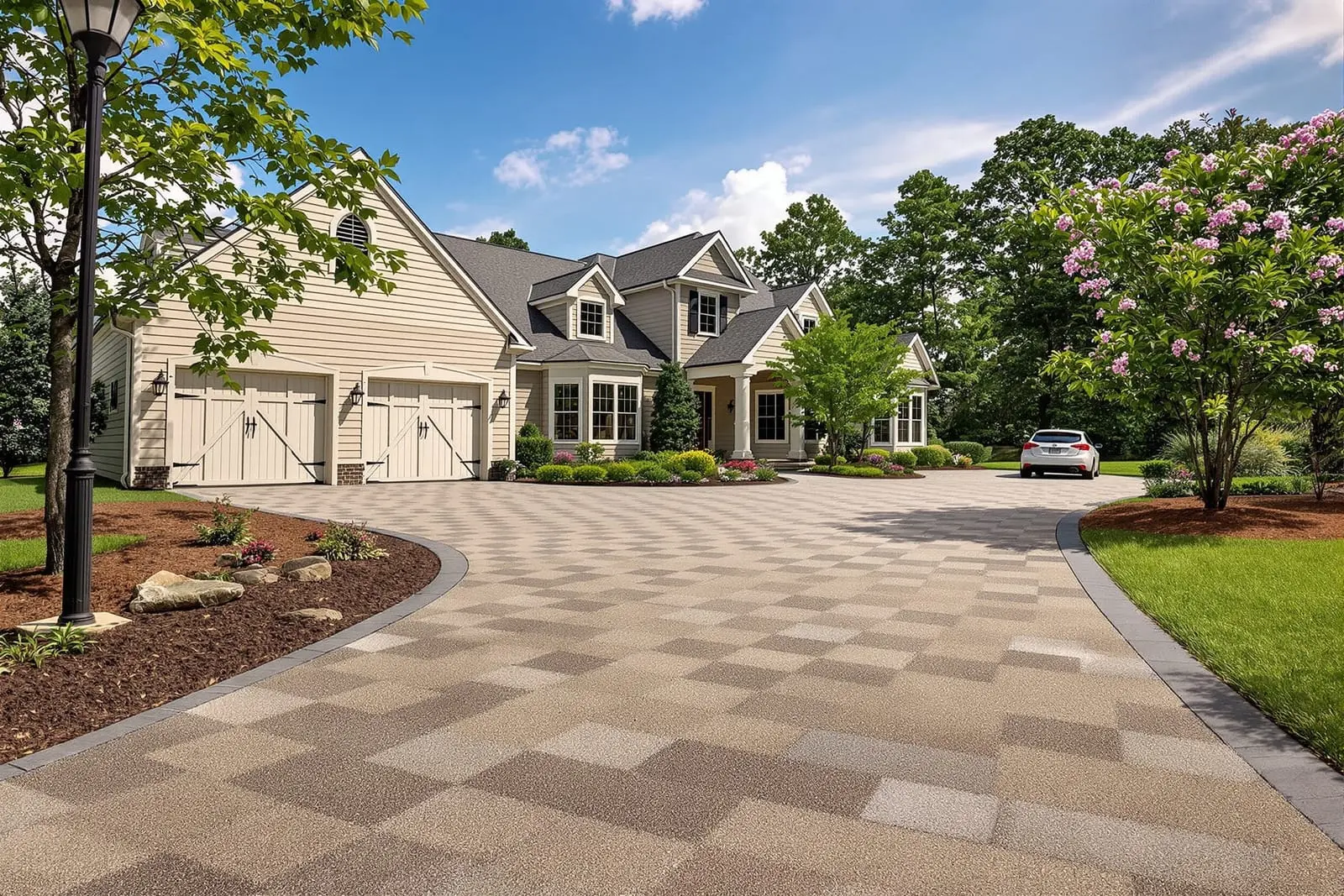
Upgrade gravel or worn pavement with reliable private road paving in New Orleans, LA. We design and build asphalt lanes and shared access roads that handle daily traffic and heavy vehicles while staying smooth and safe. From base construction to final compaction, our crew delivers stable, well drained private roads for homes, farms, and small communities.
Prestige Asphalt New Orleans provides professional private road paving throughout New Orleans, LA and the surrounding area. Our licensed, insured crew delivers safe, clean, on-time work with a free estimate before anything begins. Call (504) 386-5171 or request your free quote.
Private Road Paving for Properties in and Around New Orleans
Private roads and access lanes in New Orleans take more abuse than most people realize. Garbage trucks, delivery vans, contractor trailers, and repeated flooding all work against the pavement. Prestige Asphalt New Orleans focuses on private road paving that is built to handle this real-world use, not just look good on day one.
We work with property owners, HOAs, small subdivisions, commercial sites, and rural landowners throughout Greater New Orleans. Whether your road is a short drive through a gated property in Lakeview or a long shared lane off Highway 90, we design the pavement based on actual traffic, soil conditions, and drainage. Our crews are local, so we understand how the high water table, soft subgrades, and frequent storms affect asphalt performance here.
From the first visit, our goal is to give you a clear, practical plan: what needs to be done, what can wait, and what level of pavement structure is really necessary for your specific private road or lane.
How Prestige Asphalt New Orleans Builds a Private Road That Holds Up
A durable private road starts with the soil under the asphalt. We begin by walking and driving the route, probing soft spots, and looking for standing water or rutting. In many New Orleans areas the native soil is weak, so we often recommend undercutting soft areas, adding stabilized base, or using geotextile fabric to separate the base rock from the soil.
Once the subgrade is addressed, we install a compacted aggregate base. For most private roads and lanes, we use a limestone or crushed concrete base, graded and compacted with a vibratory roller to a minimum of 4 to 8 inches, depending on truck traffic. For heavy service like garbage trucks using the lane multiple times per week, we advise a thicker base to prevent long-term rutting.
On top of that base, we place hot mix asphalt produced to Louisiana DOTD standards. Typical private road sections receive 2 to 3 inches of compacted asphalt in one or two lifts. Where turning movements are frequent, such as at a cul-de-sac or driveway intersection, we often thicken the asphalt or use a heavier-duty mix to resist shoving. Every lift is rolled while still hot to achieve tight density and a smooth surface that sheds water instead of holding it.
Design Options for Private Roads, Lanes, and Shared Driveways
Private road paving is not one size fits all. Prestige Asphalt New Orleans offers different design approaches depending on how the road will be used and what your budget allows. For light residential-only use with no frequent truck loads, a standard base with a 2 inch surface course is usually enough. For shared lanes that serve multiple homes or commercial access with box trucks, we often specify a thicker base and 3 inch total asphalt to prevent early fatigue cracking.
We can build a full-depth asphalt road from scratch, overlay and widen an existing gravel lane, or reclaim and regrade an old broken asphalt road. In some rural or industrial settings, a combination of gravel shoulders with an asphalt driving strip can balance cost and performance. We also adjust lane widths based on actual site needs, for example, a 10 foot lane with periodic widened passing bays for long rural drives, or 18 to 20 feet of asphalt for two-way traffic in neighborhood access roads.
For property owners who need to control dust or manage mud without funding a full subdivision-style street, we can phase the work. That might mean installing and compacting base stone this year, then adding asphalt once you are ready. Throughout the process, we explain how each option affects long-term maintenance and ride quality.
Drainage, Elevation, and Typical New Orleans Problem Areas
In the New Orleans area, water damage is a bigger threat to a private road than traffic in many cases. A good pavement that does not drain will fail quickly. When we plan private road paving, we look first at where the water goes now, how high nearby ditches run during storms, and where the road sits compared to surrounding yards or marshy areas.
We build a consistent crown into the asphalt, usually between 2 and 4 percent cross slope, so water sheds to the sides instead of sitting in the wheel paths. Where space allows, we recommend shallow ditches or swales on one or both sides of the lane and culverts at drive crossings that are sized for local rainfall. If your road ties into a parish-maintained street, we match the existing drainage pattern and inlet elevations so you do not create a pond at the intersection.
Common local problems include sections that sink over buried utilities, entrances that flood because the asphalt is too low at the parish road, and lanes that become permanent puddles because the base was never raised above the surrounding soil. We correct these by cutting out failed areas, rebuilding the base at a higher elevation, and resetting culverts and inlets as needed. Addressing drainage at the time of paving is always less expensive than trying to seal or patch water-damaged asphalt later.
Permits, Access, and HOA Coordination in Greater New Orleans
Private road paving inside the city limits or in neighboring parishes may involve some coordination with local agencies or HOAs. If your private road or lane connects directly to a public street maintained by the City of New Orleans or the parish, there are usually tie-in standards at the edge of the public right of way. Prestige Asphalt New Orleans helps you navigate these requirements so your project does not get held up.
Most purely private interior roads on single-owner property can be paved without a street permit, but drainage modifications, culvert installations, and work within a public right of way may require review. We can work with your engineer if your subdivision or commercial development already has a drainage plan on file, or we can build to typical parish standards where that is requested.
For HOAs and shared private roads, we often attend board walkthroughs or provide written scopes that you can share with other owners. This helps everyone understand what is included, how thick the new pavement will be, and what to expect during construction, including temporary closures and where residents will park while work is underway.
Cost Drivers, Lifespan, and What To Ask Before You Hire
The cost of private road paving depends on length, width, base thickness, asphalt thickness, and how much repair is needed before placement. Soft ground that needs undercutting and stabilization is more expensive than simply paving over a well-compacted gravel lane. Long, narrow drives can sometimes be staged, while short but wide roads that require full access for garbage trucks or emergency vehicles may need heavier sections.
Prestige Asphalt New Orleans provides itemized proposals that separate base work, asphalt thickness, drainage additions, and optional upgrades like wider shoulders. This lets you see exactly where each dollar is going. We also discuss expected lifespan based on your use. A properly built private road with moderate residential traffic and good drainage can often deliver 15 to 20 years before major resurfacing is required, with minor sealcoating or crack filling along the way.
Before you hire any contractor for private road paving, ask specifically about base thickness, mix type, and compaction equipment. You should know how they will handle soft spots, what slope they plan for drainage, and whether driveways and side streets will be tapered so there are no harsh bumps. If you want a bid that does not cut corners, ask for these details in writing. Our team is used to answering direct questions and will walk the road with you so every decision is tied to what we see on your property, not a generic template.
“
Professional private road and lane paving, done right the first time, quality materials, honest pricing, and results that last.
Prestige Asphalt New Orleans
Private Road and Lane Paving Across Our Service Area