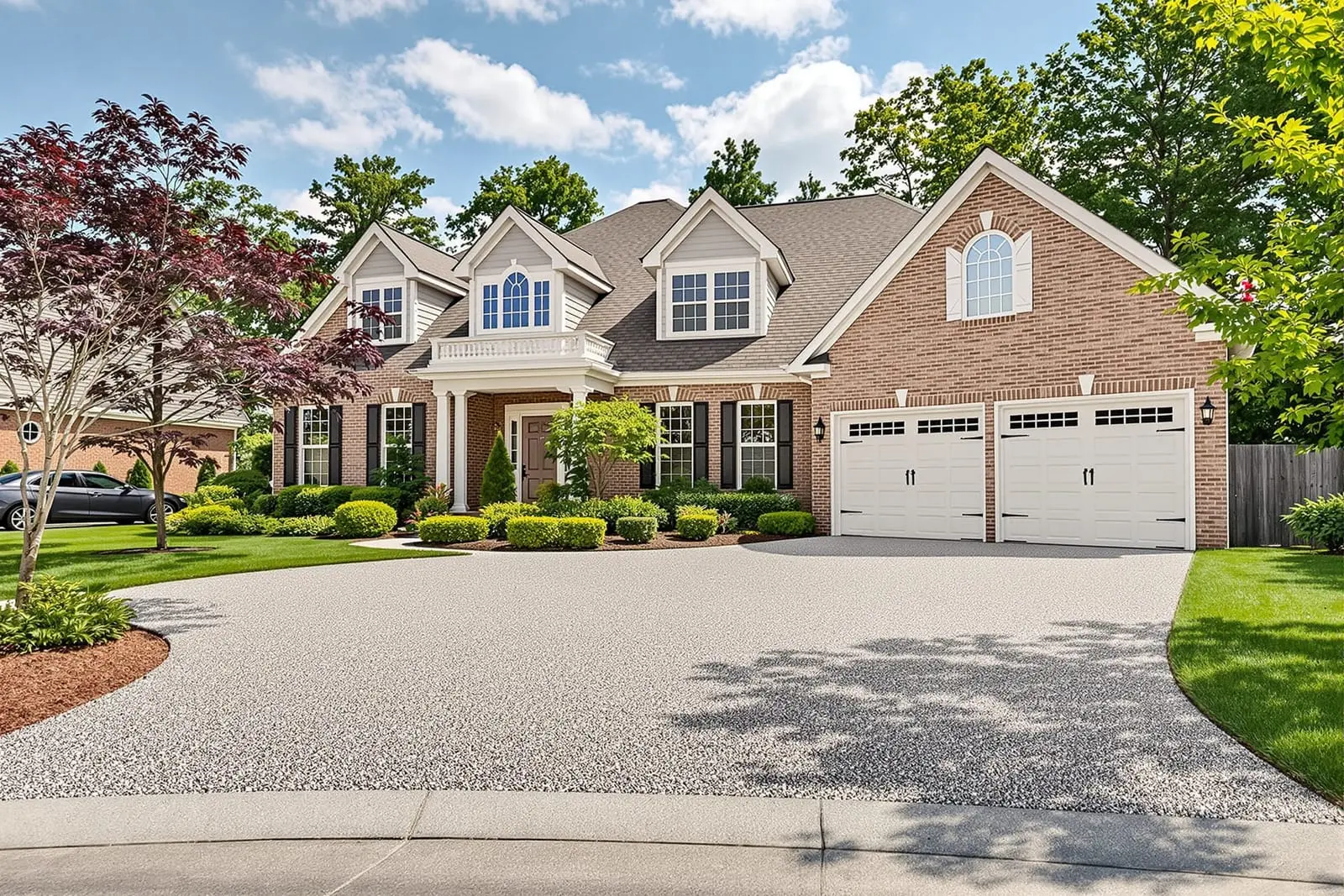
Stop dealing with dust, mud, and ruts by choosing a gravel to asphalt conversion in New Orleans, LA. We strengthen the base, shape proper drainage, and pave a smooth asphalt surface over existing gravel driveways and lanes. Our process transforms rough, high maintenance gravel into a clean, low maintenance asphalt drive you can use year round with confidence.
Prestige Asphalt New Orleans provides professional gravel to asphalt conversion throughout New Orleans, LA and the surrounding area. Our licensed, insured crew delivers safe, clean, on-time work with a free estimate before anything begins. Call (504) 386-5171 or request your free quote.
Turn Your Gravel Drive or Lot Into Smooth Asphalt
If you are tired of dust, ruts, and washouts on your gravel drive or parking area, a gravel to asphalt conversion can be a real upgrade. Prestige Asphalt New Orleans focuses on taking existing gravel surfaces in the New Orleans area and turning them into solid, machine-laid asphalt that drains correctly and holds up to heavy rain.
In our climate, gravel surfaces break down quickly. Summer storms carve channels through driveways, standing water creates mud holes, and traffic pushes rock into the soil. When we convert gravel to asphalt, we are not just covering the gravel. We rebuild the base so it can handle Gulf Coast rain, heat, and soft native soils.
Whether you have a narrow residential driveway in Gentilly, a small parking lot in Metairie, or a longer access road in St. Bernard Parish, we adjust the design to your traffic load, soil conditions, and drainage issues instead of using a one-size-fits-all plan.
Step-by-Step: How Gravel to Asphalt Conversion Really Works
A quality gravel to asphalt conversion starts with a site evaluation. Prestige Asphalt New Orleans checks your existing gravel depth, soil type underneath, drainage patterns, and how the area is used. We look for soft spots, standing water, and evidence of pumping (mud being forced up through gravel when you drive over it). Those clues tell us how much base work is needed.
Next, we shape and compact the existing gravel. In many New Orleans projects, the existing rock is not deep or clean enough to use as-is. We often add new limestone or crushed concrete aggregate, then blade it to create a consistent slope away from your house, garage, or building. This shaping step is what prevents water from sitting on top of your new asphalt later.
Once the base is shaped, we mechanically compact it using a vibratory roller. For small or tight residential areas we also use plate compactors near edges. A solid, compacted base is critical in our soft, frequently saturated ground. If we find areas that pump or move under the roller, we dig them out and rebuild with more suitable aggregate rather than paving over a problem.
Before paving, we install edge controls where needed. This can include asphalt berms, concrete bands, or tying into existing concrete or roadway edges. Good edge support keeps the asphalt from crumbling at the sides when vehicles roll on and off.
Finally, we lay hot mix asphalt at a thickness suited to your use. A light residential drive might get a different build than a delivery truck area. We spread and machine roll the asphalt so it bonds to the prepared base, then compact again to achieve a smooth, dense surface.
Design Choices: Thickness, Mix Types, and Drainage in New Orleans
Not every gravel to asphalt conversion should be paved the same way. Prestige Asphalt New Orleans walks you through a few key choices based on local conditions.
Asphalt thickness is one of the biggest factors. For a basic residential driveway with cars only, we typically recommend 2 to 3 inches of compacted asphalt over a properly compacted base. For small commercial lots or drives that see delivery trucks or boat trailers, we often increase thickness to 3 to 4 inches and may beef up the base stone as well.
Mix type matters in our heat and rain. We use Louisiana DOT-approved hot mix blends that handle high surface temperatures and afternoon storms. For residential projects, we usually install a dense, fine-graded surface mix that compacts tight and resists raveling. On heavier use areas, we might use a slightly coarser base course underneath a finer top layer.
Drainage is usually the most important design piece in New Orleans. If your existing gravel drive already floods or sends water toward your slab, we correct that before paving. This may involve adjusting the slope of the drive, adding a small swale along the side, or tying into existing culverts or drains. Asphalt without proper drainage will hold water, which shortens its life and leads to potholes.
We can also discuss options like widening the drive slightly for easier parking, adding a turn-around pad, or creating a defined walkway edge, all while keeping proper drainage in mind.
What Affects Cost and Common Problems We Solve
Gravel to asphalt conversion pricing in New Orleans depends mostly on three things: base preparation, thickness, and access.
Base preparation is usually the largest variable. If your gravel is deep, stable, and drains reasonably well, we may only need grading, modest stone additions, and compaction. If your current drive turns to mud after a storm or shows deep ruts, we will need more base stone and labor to stabilize it. In some low-lying areas, we recommend raising the grade with additional aggregate so water flows off instead of on.
Asphalt thickness and mix selection also drive cost. A thicker section uses more material but is often cheaper over time, especially on drives that see heavier vehicles. Part of our estimate process is explaining what each option means for long-term maintenance, not just the initial price.
Access can influence equipment choice and crew time. Tight rear-lot access, low-hanging tree limbs, or limited truck entry points sometimes require smaller machines, handwork, or staged deliveries. We factor all that into the quote so there are no surprise charges.
Common problems we address during conversions include soft edges where gravel meets soil, low spots that pond after rain, and transitions to existing streets or concrete pads. Instead of ignoring those, we intentionally shape and reinforce those areas, sometimes with extra base rock, sawcut ties into concrete, or small asphalt ramps to create smooth, durable transitions.
Timing, Weather, and What You Should Know Before You Hire
In New Orleans, timing a gravel to asphalt conversion around weather is critical. Asphalt needs a reasonably dry, firm base. After heavy rains or tropical systems, we often allow extra drying time so we are not trapping moisture in the base. Paving on saturated ground may look fine on day one but will fail early.
For most residential projects, the on-site work takes 1 to 2 days, depending on size and how much base repair is needed. During that time, you will need to keep vehicles off the work area. After paving, light car traffic is usually fine within 24 hours, but we may recommend waiting longer before allowing heavy trucks or tight turning loads, especially in hot weather when the asphalt is more pliable.
Before you hire anyone for a gravel to asphalt conversion, ask how they plan to evaluate your base and deal with drainage. If a contractor only talks about the asphalt layer and not what is under it, you are likely to end up with cracks and depressions sooner than you should. Also ask what mix will be used, what thickness is being quoted, and how edge support and transitions to streets or sidewalks will be handled.
Prestige Asphalt New Orleans provides written estimates that spell out base work, asphalt thickness, and any drainage measures. We are used to working around the local weather patterns and city requirements, and we pull permits where needed. Our goal is a surface that rides smoothly, sheds water, and holds up in our climate, not just something that looks good on day one.
“
Professional gravel-to-asphalt conversions, done right the first time, quality materials, honest pricing, and results that last.
Prestige Asphalt New Orleans
Gravel-to-Asphalt Conversions Across Our Service Area